Best modern urban hotels united states: A Comprehensive Operational Audit
The modern American city functions as a high-density theater of commerce, culture, and transit. Within this ecosystem, the hotel is no longer a peripheral amenity—it is a central, defining node. The contemporary traveler, whether driven by the requirements of the global knowledge economy or the desire for immersive, localized experiences, increasingly demands a property that synthesizes operational efficiency with a coherent “sense of place.” This shift has moved the hospitality needle away from standardized, cookie-cutter chains toward assets that function more like cultural hubs than mere lodging facilities.
To analyze the best modern urban hotels united states operators offer, one must move past the superficiality of curated lobby design and examine the underlying mechanics of the property. Success in the current era of hospitality requires a precarious, sophisticated balancing act: the integration of invisible, high-performance technology with an aesthetic that feels tactile, human, and authentic. A property that achieves this—one that resonates with both the hyper-connected business traveler and the discerning leisure guest—is not merely a success in marketing; it is a marvel of adaptive, responsive urban infrastructure.
This editorial audit deconstructs the asset class of the modern urban hotel, moving beyond the transient trends of the current cycle to define the structural requirements of longevity. By analyzing the governance, spatial logic, and resource dynamics of these properties, we establish a framework for understanding why certain developments thrive while others succumb to the inevitable decay of market relevance.
Understanding “best modern urban hotels united states”
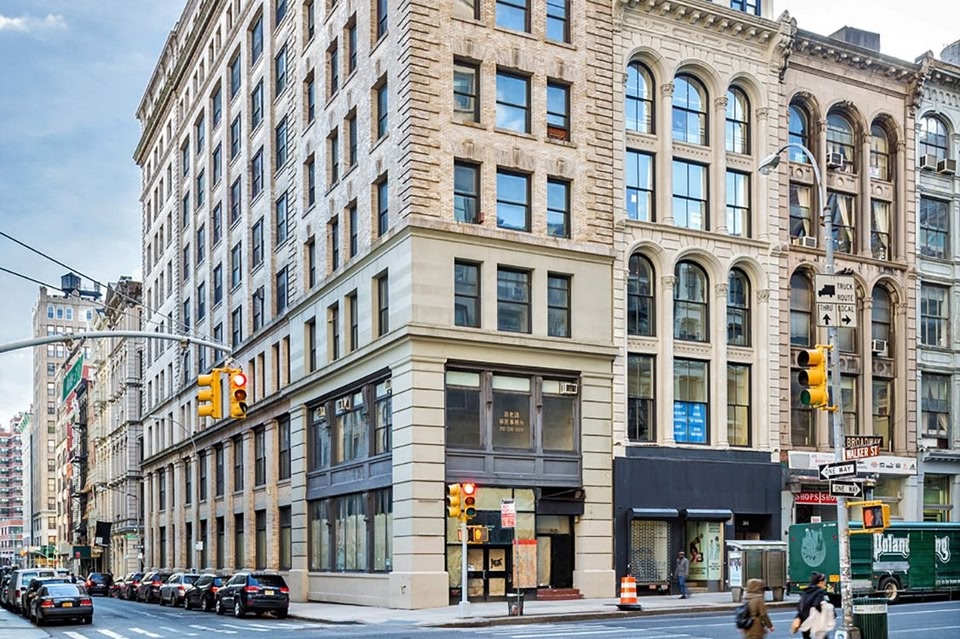
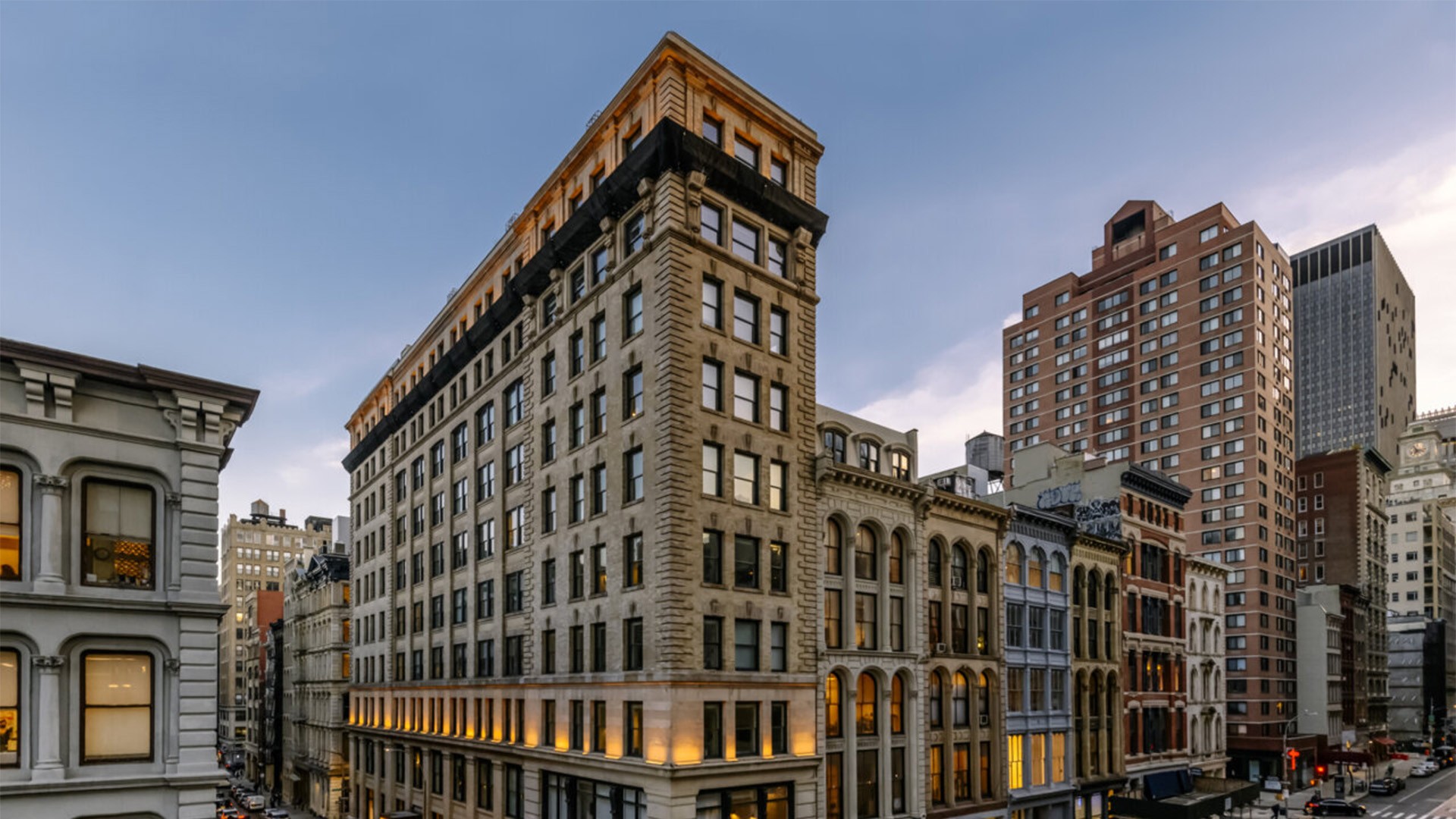
Identifying the best modern urban hotels united states developers have produced is not an exercise in ranking aesthetic preferences; it is an investigation into operational and environmental resilience. A common misunderstanding assumes that “modern” is synonymous with “new construction.” In reality, many of the most successful urban properties are triumphs of adaptive reuse—structures that have been surgically altered to serve a new function while retaining their original, structural integrity. The risk in oversimplifying this sector lies in viewing the hotel as a static product rather than a dynamic platform.
True excellence in this tier is defined by the property’s ability to facilitate “frictionless transitions.” The guest expects the environment to adapt to their needs—switching seamlessly from a focused, high-productivity office space during the daylight hours to a restorative, low-stimulation wellness sanctuary by evening. When a property fails to achieve this modulation, it creates cognitive dissonance for the guest, breaking the spell of the “modern” experience. Therefore, the best modern urban hotels united states market currently supports are those that view their physical plant as an operating system.
Furthermore, these hotels do not operate in a vacuum. They are deeply embedded within their neighborhood’s specific cultural and socio-economic fabric. A generic, “anywhere-USA” hotel design is essentially invisible to the modern traveler. The top-tier properties are those that have successfully curated a narrative of place, whether through partnerships with local artisans, the integration of public-facing culinary concepts, or a commitment to biophilic design that mirrors the regional landscape. They are the essential infrastructure of the modern city, serving as bridges between the traveler and the local reality.
Deep Contextual Background: The Evolution of Metropolitan Hospitality
The American urban hotel has undergone a radical metamorphosis over the last three decades. The transition from the “transient lodging” model—defined by predictable, standardized, and isolated experiences—to the current “socialized hospitality” model is a direct response to the democratization of travel and the rise of remote, fluid labor. In the mid-20th century, hotels were distinct silos, walled off from the city to protect the guest. Today, the most competitive urban hotels are porous; they invite the city in.
This evolution was catalyzed by the “boutique” movement of the 1990s, which introduced the concept of hotels as branded lifestyle products. However, the contemporary era has moved beyond that aesthetic-first approach toward a data-driven, efficiency-first methodology. Developers now use granular guest data to shape everything from room layouts to lobby circulation patterns. The result is a built environment that is more attuned to the psychological and physiological needs of the guest—prioritizing sleep hygiene, ergonomic workflow, and atmospheric wellness—than at any point in the history of American urban planning.
Conceptual Frameworks and Mental Models
To manage these properties effectively, specific analytical models are required:
-
The Third-Space Convergence: This model measures the success of the hotel lobby not by occupancy, but by “community integration.” A high-performing lobby acts as a hub for both guests and locals, creating a sense of constant energy that validates the hotel’s relevance in the city.
-
The Frictionless Journey Map: An audit tool that tracks the guest experience from arrival to checkout, identifying every point of potential administrative or mechanical drag. Excellence is achieved when the “friction count” approaches zero.
-
The Biophilic Resilience Matrix: A framework that evaluates how successfully the property integrates natural elements (light, air, plant life) into high-density environments to measurably reduce guest cortisol levels.
Key Categories and Variations of Modern Urban Occupancy
Asset type dictates the operational strategy and the target guest profile.
The “Tech-Core” property demands the most rapid CAPEX reinvestment. Because the core value proposition is “seamless connectivity,” any lag in technological infrastructure renders the asset immediately obsolete. Conversely, “Adaptive Reuse” properties face higher maintenance costs but possess a moat of character that generic new builds cannot easily replicate.
Detailed Real-World Scenarios
Scenario 1: The High-Volume Business Hub
-
Constraint: A hotel located in a major financial center must host a large-scale conference without disrupting the stay of long-term digital nomad residents.
-
Decision: The design utilizes “acoustic zoning” and separate circulation paths, ensuring that the heavy foot traffic of the conference does not bleed into the quiet, residential-style working zones.
-
Failure Mode: Inadequate noise mitigation leads to “sensory pollution,” forcing the hotel to offer significant rate reductions to appease dissatisfied high-value guests.
-
Second-Order Effect: The brand suffers a loss of “serenity” status, which is difficult to recover in a reputation-sensitive market.
Scenario 2: The Adaptive Reuse Wellness Integration
-
Constraint: Converting an aging urban office building into a wellness-centric hotel.
-
Decision: Re-purposing the floor plates to prioritize light-well penetration, turning dark inner offices into meditation chambers and fitness hubs.
-
Failure Mode: Failing to account for legacy HVAC systems results in inconsistent climate control, undermining the wellness promise of “perfect air quality.”
-
Second-Order Effect: The high utility costs required to “force” the building into a wellness state erode the profit margin, proving that architectural form must follow mechanical function.
Planning, Cost, and Resource Dynamics
The economic viability of these hotels depends heavily on the “Total Experience Cost.”
-
Direct Costs: High. Developing a modern urban property requires significant upfront investment in “invisible infrastructure”—high-speed broadband, robust cybersecurity, and advanced HVAC.
-
Indirect Costs: The “Opportunity Cost of Stasis.” Properties that refuse to update their public spaces or digitize their guest experience suffer from a “relevance decay” that accelerates loss of market share.
-
The Variability Range: Operating expenses for a high-tech modern hotel can be 20% higher than traditional models due to the necessity of a sophisticated IT maintenance workforce.
Tools, Strategies, and Support Systems
-
Digital Twin Modeling: Utilizing a 3D digital replica of the building to simulate energy performance and guest flow before implementing physical changes.
-
Modular F&B Concepts: Designing kitchen and service spaces that can be reconfigured overnight, allowing the restaurant to adapt to changing local market tastes.
-
IoT-Enabled Guest Personalization: Sensors that automatically adjust light and temperature settings to a guest’s pre-registered preferences upon room entry.
-
Local Artisan Integration: Long-term contracts with neighborhood creators to provide amenities (soaps, artwork, snacks), ensuring the hotel maintains its local authenticity.
-
Predictive Maintenance Platforms: AI-driven tools that monitor equipment health and schedule repairs before failure, preventing guest-facing service interruptions.
Risk Landscape and Failure Modes
The “Commoditization Trap” is the primary risk for modern urban properties. If a hotel loses its unique narrative or fails to integrate effectively with its neighborhood, it becomes just another bed in a city of millions. This leads to a “race to the bottom” in pricing. Furthermore, “Operational Over-Complexity” is a silent killer. When a hotel loads its rooms with too much technology—screens, panels, integrated controllers—the guest often experiences fatigue rather than convenience. The best properties recognize that the goal of technology is not its presence, but its utility.
Governance, Maintenance, and Long-Term Adaptation
Modern hospitality is a practice of constant, iterative improvement.
-
Review Cycles: Quarterly “Experience Audits.” These look beyond P&L to evaluate the “friction count” of the guest stay and the alignment of the property with local trends.
-
Adjustment Triggers: If a specific amenity (e.g., a formal restaurant) consistently underperforms, the governance structure must allow for a rapid pivot to a more viable format (e.g., a hybrid grab-and-go/coworking space).
-
Layered Checklist:
-
[ ] Is the technology intuitive and invisible?
-
[ ] Does the space support multiple, shifting use cases (work/relax/socialize)?
-
[ ] Is the local neighborhood integrated into the guest experience?
-
Measurement, Tracking, and Evaluation
-
Leading Indicators: “Engagement Velocity.” How quickly does a guest integrate into the hotel’s ecosystem upon arrival? Are they using the lobby, the food outlets, and the digital tools within the first hour?
-
Lagging Indicators: “Loyalty-Adjusted ADR.” Are we attracting guests who return, or are we reliant on one-time customers who were captured via third-party booking sites?
-
Qualitative Signal: “Narrative Coherence.” Do the guests and the staff tell the same story about what the hotel is? When the brand story matches the daily operation, the asset is at its peak.
Common Misconceptions and Oversimplifications
-
Myth: “Design is purely aesthetic.” Correction: Design is an operational tool that determines revenue-per-square-foot and labor efficiency.
-
Myth: “Technology always improves the guest experience.” Correction: Poorly implemented technology is a barrier; the best modern urban hotels united states travelers frequent are those where tech is transparent.
-
Myth: “A hotel should be a sanctuary from the city.” Correction: The best modern properties are extensions of the city, not retreats from it.
-
Myth: “Sustainability is a marketing add-on.” Correction: Sustainability is a long-term operational cost-saving measure and a core brand requirement for the modern traveler.
Ethical, Practical, and Contextual Considerations
As these hotels become central to the urban experience, they face increased scrutiny regarding their impact on the city. The most responsible operators understand that they are stewards of the local economy. This manifests in local hiring practices, ethical sourcing, and a willingness to operate as a community resource. Failing to engage with the city—or worse, acting as an extractive force that displaces local character—creates a long-term risk of community backlash and brand erosion. The hotel must be a participant in the city’s future, not merely a tenant of its land.
Conclusion
The modern urban hotel is a complex, multi-layered machine that demands a synthesis of hospitality, technology, real estate, and cultural intuition. The properties that set the standard are those that view their existence not as a static business, but as a fluid, responsive participant in the urban dialogue. By rigorously auditing their mechanical health, investing in specialized maintenance, and treating their history or location as a dynamic framework, the operators of these assets can ensure they remain not only financially viable but also vital contributors to the metropolitan fabric.