Luxury Vineyard Urban Hotels USA: A Strategic Guide to Metropolitan Viticulture
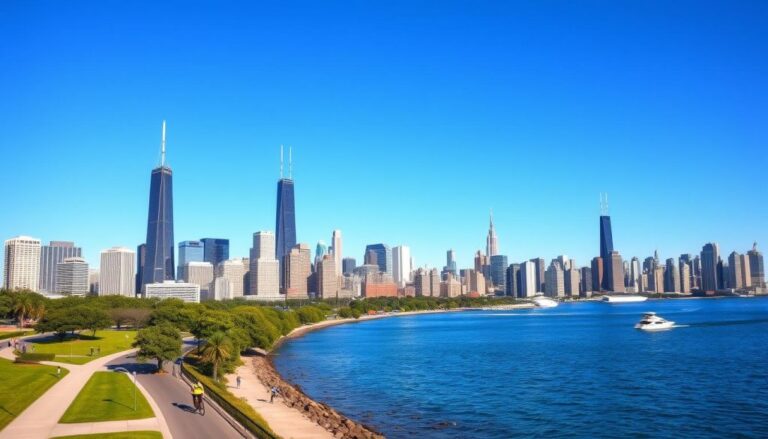
The traditional geography of viticulture has long been defined by rural isolation—vast, rolling estates distanced from the friction of metropolitan centers. However, a significant shift has occurred in the landscape of high-end hospitality. The rise of luxury vineyard urban hotels usa represents a fundamental rethinking of the “wine country” experience. It is no longer necessary to retreat to the countryside to engage with the craft of winemaking; rather, the vineyard has been brought to the guest, integrated into the fabric of the modern, dense urban core.
This emergence of the urban winery and the associated lodging infrastructure is not merely a novelty or a marketing affectation. It is a calculated response to a demographic shift in the luxury travel market. Today’s sophisticated traveler—be they the corporate executive on a multi-day engagement or the leisure traveler seeking cultural immersion—demands an experience that synthesizes the educational rigor of viticulture with the accessibility and operational excellence of an urban center. These properties are industrial-chic environments that prioritize authenticity over pastoral fantasy, turning wine production into a centerpiece of the hotel’s daily operation.
Navigating this hybrid sector requires a distinct set of analytical skills. One must look past the aesthetic allure of a barrel-lined lobby to evaluate the operational reality of the facility. The successful execution of a vineyard within a city limit necessitates significant logistical mastery, ranging from the controlled transport of grapes to the stringent zoning requirements governing fermentation and barrel storage. This editorial audit deconstructs the structural dynamics of these assets, providing a reference for those who prioritize logistical precision and genuine craftsmanship in their lodging selections.
Understanding “luxury vineyard urban hotels usa”
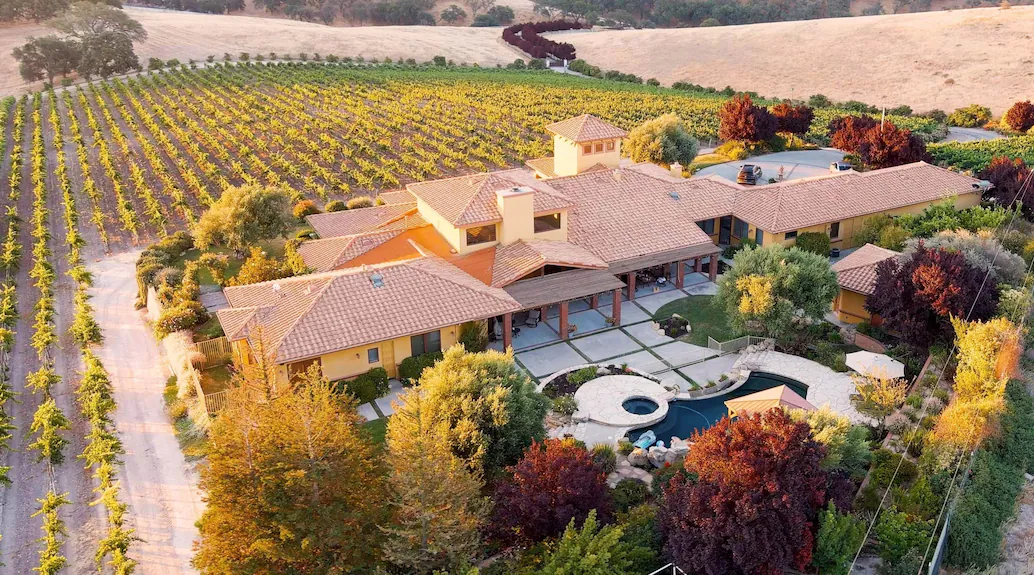
When evaluating the category of luxury vineyard urban hotels usa, the first task is to strip away the artifice of traditional marketing. These are not hotels situated near vineyards; they are hotels that define themselves by the production of wine within their own walls or immediate vicinity. The fundamental challenge for the consumer is distinguishing between a property that merely carries a “wine-themed” brand identity and one that functions as a legitimate vinification site.
The misunderstanding often centers on scale. A common error is assuming that urban production implies a lesser quality than rural counterparts. In reality, the finest examples of these hotels utilize sophisticated temperature-controlled facilities and precision equipment that can, in some instances, exceed the technical consistency of traditional, climate-dependent outdoor viticulture. The “urban” aspect is a logistical constraint, but for the operator, it acts as a filter; only those with the capital and engineering capability to manage fermentation in a dense city environment can successfully execute this model.
Therefore, the best luxury vineyard urban hotels usa must be assessed on their “Authenticity Quotient”—the degree to which the winemaking process is visible, accessible, and integral to the guest experience. If the vines are merely decorative potted plants in a courtyard, the value proposition is purely ornamental. If the property features a working cellar, proprietary press, and an on-site oenologist, the property becomes an active laboratory for the wine enthusiast, offering an intellectual depth that a standard hotel bar cannot replicate.
Deep Contextual Background: The Evolution of Metropolitan Viticulture
The historical precursors to modern urban viticulture are found in the monastery gardens of medieval European cities, where monks maintained enclosed vineyards to ensure a supply of sacramental and medicinal wine. These sites functioned as the original “urban wineries”—self-contained, highly productive agricultural islands within the defensive walls of a city. The modern American iteration of this concept is a reaction against the homogenizing forces of global hotel chains.
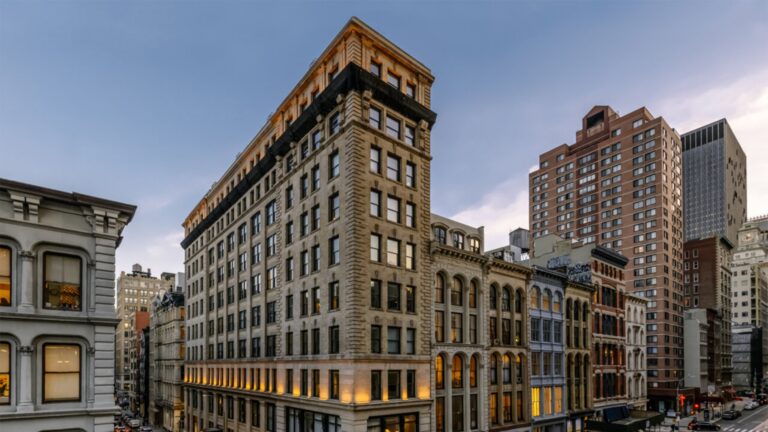
As the US luxury market matured, discerning travelers began to reject the “cookie-cutter” experience. The desire for local, tangible connection led to the revival of micro-production in industrial sectors of major metropolitan hubs. What began as small-scale basement operations in forgotten warehouse districts eventually attracted investment, evolving into the sophisticated luxury vineyard urban hotels usa we see today. These properties are part of the broader adaptive reuse movement, where derelict manufacturing spaces are repurposed into high-end hospitality venues. The history of the urban vineyard is thus a history of urban renewal, where the vine serves as a catalyst for economic and cultural revitalization.
Conceptual Frameworks and Mental Models
To evaluate these properties, one should employ a structured analytical approach:
-
The Terroir-Tech Balance Model: This measures the property’s reliance on “borrowed terroir” (sourcing grapes from renowned rural regions) versus “engineered terroir” (the quality of their internal vinification process). A high-performing property excels at both.
-
The Sensory Immersion Index: This calculates the proximity of the guest to the production process. Is the cellar visible from the lobby? Is the wine tasting room adjacent to the bottling line? The more permeable the boundary between the guest and the production, the higher the index.
-
The Urban Resilience Framework: This evaluates the logistics of the vineyard. A vineyard in a city is subject to unique risks—zoning changes, noise ordinances, and supply chain fragility. The best properties have robust legal and physical buffers against these urban externalities.
Key Categories and Variations of Urban Vineyard Assets
The segment of luxury vineyard urban hotels usa can be classified into distinct models based on their operational depth.
| Category | Production Scale | Primary Strength | Guest Interface |
| Micro-Vinification Boutique | Limited/Batch | High-End Customization | Direct Oenologist Access |
| Integrated Industrial Cellar | Mid-Scale/Continuous | Volume & Consistency | Public Tasting Rooms |
| Curated Partner-Estate | N/A (Partnership) | Brand Prestige | Exclusive Barrel Selection |
| Adaptive Reuse Loft | Small/Experimental | Aesthetic/Cultural Impact | Immersive “in-process” feel |
The logic of selection should follow the primary purpose of the stay. If the objective is deep education and intimate connection, the Micro-Vinification Boutique is the optimal choice. If the stay is corporate or celebratory, the Integrated Industrial Cellar often provides the necessary scale for larger group gatherings while maintaining the viticultural theme.
Detailed Real-World Scenarios
Scenario 1: The Corporate Oenology Retreat
-
Constraint: A board-level team requires a private space for strategic planning, with evening programming centered around specialized wine education.
-
Decision: The firm secures a buy-out of a boutique urban vineyard hotel, where the team has access to the cellar for private blending workshops.
-
Failure Mode: Selecting a large-scale, standard hotel with a “wine bar” that lacks the privacy and specialized expertise for high-level engagement.
-
Second-Order Effect: The immersion into the production process functions as an icebreaker, breaking down rigid professional barriers and fostering creative dialogue.
Scenario 2: The Connoisseur’s Urban Transit
-
Constraint: A traveler with 48 hours in a major city wants a luxury stay that avoids the generic feel of a standard high-rise hotel.
-
Decision: Choosing a repurposed industrial property that serves as a working winery.
-
Failure Mode: Settling for a “luxury” hotel that uses wine-related imagery in its marketing but offers no tangible interaction with the craft.
-
Second-Order Effect: The traveler misses the opportunity to engage with the city’s burgeoning local wine scene, which is often the most vital aspect of its cultural evolution.
Planning, Cost, and Resource Dynamics
The economic evaluation of these properties requires an understanding of the premium associated with the “experience-utility” they provide.
-
Direct Costs: Room rate, “experience fees” (tastings, workshops), and premium wine pricing (often sold at retail or direct-to-consumer prices rather than restaurant markups).
-
Indirect Costs: The opportunity cost of staying in an urban-industrial sector rather than the traditional commercial core.
-
The “Craft Premium”: One must be prepared to pay a premium that reflects not just the room, but the maintenance of the cellar infrastructure.
| Stay Duration | Financial Priority | Operational Priority |
| 1-2 Nights | Experience Density | Access to Tastings/Cellar |
| 3-5 Nights | Long-stay Bundling | In-room Wine Storage/Access |
| 7+ Nights | Storage Logistics | Proximity to Urban Wine Routes |
Tools, Strategies, and Support Systems
-
The Cellar Audit: Before booking, inquire directly about the property’s production license. A genuine urban winery will have this documentation; a marketing-led “wine hotel” will not.
-
The Oenologist Interview: For extended stays, request a brief conversation with the house oenologist. This establishes the legitimacy of the program and allows for tailored recommendations.
-
The Logistics Check: Ensure the property has secure, temperature-controlled storage if you plan to purchase bottles for transport.
-
Meta-Search Filter: Look for properties that list themselves under “Industrial Luxury” or “Agro-Urban” categories, which often contain these niche vineyard hotels.
Risk Landscape and Failure Modes
The “Urban Viticultural Risk Taxonomy” includes several compounding factors:
-
The Infrastructure Sync Failure: Where the industrial equipment in the winery impacts the guest experience (noise/vibration). The best hotels have sound-dampened cellars; lower-tier ones do not.
-
The Supply Chain Bottleneck: Urban wineries rely on the transport of grapes from rural sources. A failure in this logistics chain can mean the “vineyard” experience is dormant during your stay.
-
The Regulatory Surcharge: Unexpected zoning adjustments or industrial permit changes can lead to temporary closures of tasting areas. Always confirm operational status 48 hours prior to arrival.
Governance, Maintenance, and Long-Term Adaptation
If one is a frequent patron of luxury vineyard urban hotels usa, one must adopt a evaluative stance toward the property’s maintenance:
-
Monitoring: Check the “vintage cycle” of the hotel. Does it have new releases? A stagnant wine list is a sign of a stagnant production team.
-
Review Cycles: Assess the quality of the cellar infrastructure annually. Does the staff appear knowledgeable, or is it a revolving door of generic hospitality hires?
-
The Layered Checklist:
-
[ ] Is the winemaking process physically integrated or merely thematic?
-
[ ] Are there regular technical tastings available?
-
[ ] Is the wine storage climate-controlled and secure?
-
[ ] Does the hotel provide education, or just consumption?
-
Measurement, Tracking, and Evaluation
-
Leading Indicator: “The Transparency Metric”—how much of the winemaking process is visible to the guest?
-
Lagging Indicator: “The Retention Score”—do oenophiles return to this property for subsequent vintages?
-
Documentation: Keep a private “Cellar Log” of properties visited, noting the vintage quality and the caliber of the on-site education. This transforms a trip into an accumulative educational project.
Common Misconceptions and Oversimplifications
-
Myth: “Urban wine is inherently lower quality.” Correction: With modern precision viticulture, urban production can often achieve a level of consistency that rural agriculture cannot.
-
Myth: “The vineyard must be in the hotel lobby.” Correction: The vineyard is the cellar; the vines themselves are an aesthetic feature that may not even be on-site (many use contract-grown grapes).
-
Myth: “It’s just a hotel with good wine.” Correction: It is a hospitality venue that functions as a production facility. The operational requirements are entirely different from a standard hotel.
-
Myth: “Incognito booking gets you better cellar access.” Correction: Transparent, direct communication with the property management is the only way to gain access to limited-release barrels.
-
Myth: “All urban wine hotels are equally sustainable.” Correction: Some are highly efficient; others rely on heavy transport of grapes. Evaluate their specific environmental protocols.
-
Myth: “Luxury vineyard urban hotels usa are only in California.” Correction: Significant developments exist in Texas, New York, and the Pacific Northwest, challenging the traditional hegemony of Napa Valley.
Ethical, Practical, and Contextual Considerations
The growth of urban viticulture contributes to the “Green Urbanism” movement, repurposing industrial spaces and providing a sustainable alternative to the carbon-intensive travel required to visit remote rural vineyards. However, this carries a responsibility for the property to minimize its own environmental footprint. Guests should support properties that use recycled glass, local grape sourcing, and energy-efficient climate control for their cellars. This is a mutually beneficial ethical contract between the guest and the producer.
Conclusion: The Synthesis of Urbanity and Craft
The selection of luxury vineyard urban hotels usa is a sophisticated procurement decision. It requires the traveler to look past the velvet curtains and the romantic aesthetic of the barrel room to assess the fundamental utility of the production facility. By applying a systematic approach to auditing the space, managing expectations, and leveraging direct, professional communication with the property management, a traveler can transform a standard hotel stay into a high-performance educational environment. When you successfully identify these properties, you are selecting a foundation upon which your appreciation for the craft—and your experience of the city—can be built. Mastery of this selection process is the hallmark of the experienced metropolitan connoisseur, who understands that true luxury is found where innovation meets tradition.