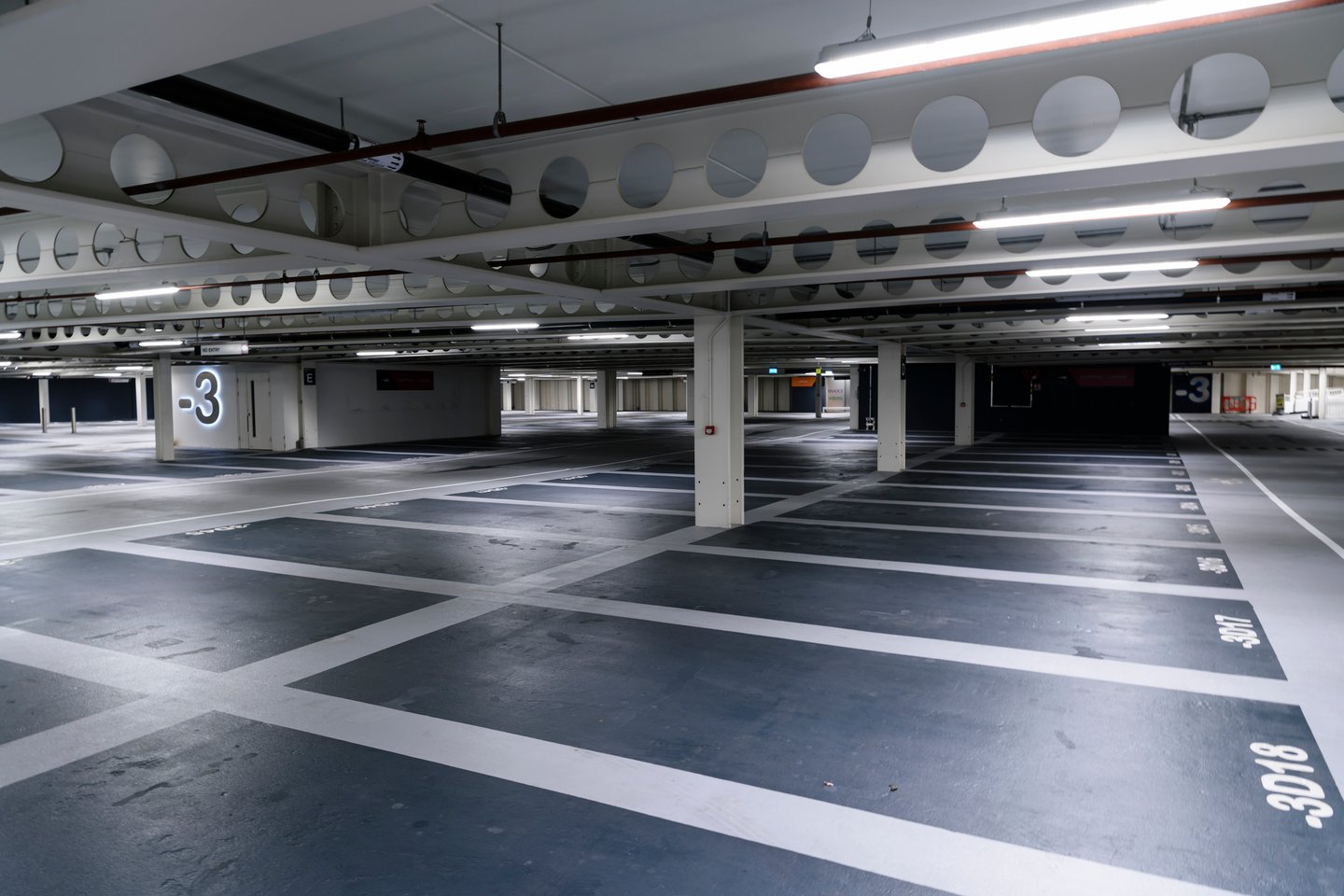
How to Manage Urban Hotel Parking: A Strategic Operational Audit
The metropolitan hotel operates in a space defined by severe geographic scarcity. In this environment, every square foot carries an exorbitant opportunity cost, and nowhere is this tension more palpable than in the provision of parking. For the asset manager, parking is rarely a service; it is a complex logistical constraint. It represents the collision between the high-speed requirements of a transient guest and the static limitations of urban zoning, traffic patterns, and municipal regulation. Treating parking as a mere amenity is a strategic error that fundamentally misreads the balance sheet.
To look at an urban hotel without considering its vehicle storage strategy is to ignore a critical failure point. In dense city centers, the arrival and departure sequence—the “curbside experience”—is the primary determinant of guest satisfaction. When this sequence fails, whether due to a valet bottleneck or an overcrowded garage, the operational degradation is immediate and irreversible. The objective, therefore, is not to maximize space, but to minimize the friction of arrival and departure while optimizing the revenue yield of the static square footage.
This article serves as an analytical audit of the modern parking ecosystem. It moves beyond the standard industry advice—which often focuses on simple revenue collection—and examines the structural, technological, and behavioral systems required to maintain operational equilibrium. Whether operating in a legacy historic district with zero on-site capability or a modern high-density hub with automated mechanical systems, the principles of management remain the same: reduce latency, optimize yield, and mitigate the liability of the public-private transition zone.
Understanding “how to manage urban hotel parking”
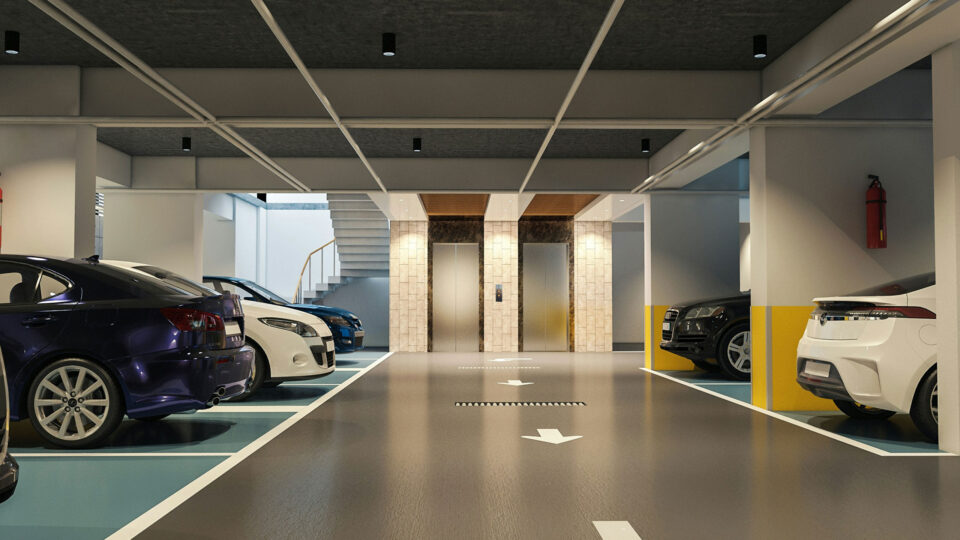
Defining the scope of parking management requires a departure from the “hospitality-first” mindset. When one asks how to manage urban hotel parking, the answer must be anchored in Operational Logistics and Revenue Yield Management. A parking facility is, in essence, a high-turnover warehouse for heavy, expensive assets. The management of this space involves three distinct layers: the physical interface (the garage or valet dock), the software stack (access control and billing), and the behavioral psychology of the guest.
The most common misunderstanding is the belief that parking must always generate direct revenue. While ancillary revenue is a valid metric, there are high-performance operational models where parking functions as a “loss-leader” or an “efficiency generator.” If the time saved by a rapid valet process increases room-night turnover or allows for a higher ADR (Average Daily Rate), the parking department is effectively cross-subsidizing the primary hotel operation. Miscalculating this relationship by treating parking solely as a revenue center can lead to bottlenecking, customer frustration, and eventual revenue loss in the hotel proper.
The risk of oversimplification lies in ignoring the systemic integration of the parking facility. If the garage management software does not communicate with the Property Management System (PMS), the data silos will inevitably lead to operational errors—incorrect billing, unmanaged inventory, and poor capacity planning. True mastery of this vertical requires a holistic view where the car, the garage, and the guest’s itinerary are treated as a single, integrated dataset.
Deep Contextual Background: The Evolution of Metropolitan Zoning
The American urban parking landscape is a legacy of mid-20th-century planning, heavily influenced by minimum parking requirements that forced developers to prioritize concrete over density. This regulatory baggage has created a surplus of inefficient infrastructure in many legacy cities, while simultaneously causing a severe deficit in rapid-growth tech corridors. Understanding this history is crucial because the “management” of a hotel’s parking is often dictated by the constraints of the era in which the building was permitted.
We have moved from an era of “plenty” (where space was cheap and cars were king) to an era of “optimized density.” Modern planning is now focused on multi-modal transit, reduced car ownership, and adaptive reuse of existing parking structures. This shift presents a unique challenge for the hotelier: how to maintain high-level service in a city that is actively trying to discourage automobile use. The current imperative is to decouple the parking asset from the room inventory, treating the parking structure as a flexible asset that can be repurposed or monetized differently as the municipal transit environment shifts.
Conceptual Frameworks and Mental Models
To evaluate parking operations with professional rigor, apply the following frameworks:
-
The Velocity-Capacity Matrix: This model measures the time required for a vehicle to clear the “load-in/load-out” zone against the total capacity of the facility. A high-capacity garage with low throughput velocity is a failure.
-
The Opportunity Cost of Floor Space: Every stall in an urban hotel has a “rental value” based on its square footage. If the parking revenue per stall is significantly lower than the revenue potential of the same space if converted to retail or storage, the parking strategy is misaligned with the asset’s highest and best use.
-
The Friction Coefficient: This measures the degree of difficulty a guest faces in entering and exiting the property. High friction (long waits, complex payment, poor signage) correlates directly with lower guest loyalty.
Key Categories and Variations of Storage Assets
Not all parking operations function identically. The management strategy must align with the asset type.
| Asset Model | Primary Characteristic | Latency Profile | Strategic Advantage |
| Valet-Only | Human-intensive, space-efficient | Variable (High risk) | High service perception |
| Self-Park | User-intensive, space-inefficient | Predictable | Lower liability/labor |
| Mechanical/Stacker | High-density automated | Fixed (System speed) | Maximal spatial density |
| Off-Site/Consolidated | Asset-lite, shuttle-dependent | High | Asset flexibility |
| Hybrid | Segmented (Valet + Self) | Mixed | Maximum market capture |
Realistic decision logic dictates that properties with high turnover (transient, short-stay) benefit from valet-only or hybrid systems. Properties with longer-stay demographics (business/conference) can optimize for self-park or off-site arrangements.
Detailed Real-World Scenarios
Scenario 1: The Bottleneck Collapse
-
Constraint: A hotel in a high-density, tourist-heavy center experiences a “check-out surge” at 11:00 AM.
-
Decision: The valet staff is under-resourced; the garage throughput speed cannot match the demand.
-
Failure Mode: Guests waiting 45 minutes for cars. The hotel’s reputation degrades, leading to negative digital reviews.
-
Second-Order Effect: Management is forced to pay emergency overtime to staff, destroying the department’s bottom line for the quarter.
Scenario 2: The Off-Site Integration
-
Constraint: A historic property with zero on-site capability must manage 200 daily arrivals.
-
Decision: Partnering with a third-party garage two blocks away using an app-based retrieval system.
-
Failure Mode: Poor communication between the hotel desk and the garage staff leads to vehicle delay.
-
Second-Order Effect: The solution requires a “concierge-tech” layer—a dedicated digital interface for the guest to request their car 20 minutes before departure.
Planning, Cost, and Resource Dynamics
The “Total Cost of Presence” (TCOP) for an urban parking spot is a function of the real estate taxes, maintenance, labor, and software overhead.
| Variable | Cost Impact | Variability | Strategy |
| Labor (Valet) | High | High | Dynamic staffing based on occupancy |
| Insurance/Liability | Extreme | Low | Risk mitigation via LPR/Tech |
| Software/IoT | Moderate | Low | Long-term asset depreciation |
| Utility/Maintenance | Moderate | Moderate | Proactive capital expenditure |
A successful operator understands that when you analyze how to manage urban hotel parking, you must account for the indirect labor costs of moving cars, not just the hard cost of the concrete.
Tools, Strategies, and Support Systems
-
LPR (License Plate Recognition): Essential for automating the audit trail and reducing the labor required for manual entry/exit.
-
Stacker/Automated Systems: If land cost exceeds a specific threshold, vertical mechanical storage is the only logical path.
-
Dynamic Pricing Algorithms: Adjust parking rates in real-time based on local event demand, similar to room rate management.
-
PMS-Integrated Concierge Apps: Allow guests to signal retrieval from their room, effectively reducing waiting-room congestion.
-
Traffic Flow Modeling: Use simulation software to model peak arrival/departure flows and adjust driveway curb usage accordingly.
Risk Landscape and Failure Modes
The primary failure mode is the Liability-Complexity Loop. As an operation adds more complexity (mechanical lifts, off-site shuttles), the number of points of failure increases. Liability for damage, theft, or delay compounds. The mitigation strategy must prioritize standardization. If the process for moving a car varies by shift or by operator, the liability risk increases. Standardization of the “driver-to-stall” protocol is the best defense against systemic failure.
Governance, Maintenance, and Long-Term Adaptation
Treat parking as a depreciating infrastructure asset.
-
Audit Cycles: Every 6 months, conduct a throughput study. How long does the average vehicle stay in the queue?
-
Adjustment Triggers: If local municipal authorities change street traffic flow (e.g., creating a new bus lane), the property must immediately pivot its load-in/load-out sequencing.
-
The Layered Checklist:
-
[ ] Verification of LPR camera accuracy (monthly).
-
[ ] Review of valet staff injury logs.
-
[ ] Cross-check of PMS billing vs. Garage exit gate logs (weekly).
-
Measurement, Tracking, and Evaluation
-
Leading Indicators: “Queue Latency” (the time from guest request to vehicle delivery). An increasing trend here is a precursor to a reputational crisis.
-
Lagging Indicators: “RevPAP” (Revenue Per Available Parking space). If this drops, the asset is underperforming its square footage potential.
-
Qualitative Signal: “The Driveway Aesthetic.” If the driveway is consistently clogged, the parking operation is actively cannibalizing the hotel’s “arrival luxury” perception.
Common Misconceptions and Oversimplifications
-
Myth: “We can solve parking issues by hiring more valets.” Correction: More staff increases the “people density” in the driveway, which often slows down traffic flow due to congestion.
-
Myth: “Automated parking is too expensive.” Correction: In high-land-value cities, the cost of automated storage is lower than the long-term cost of maintaining surface lots or inefficient garages over 20 years.
-
Myth: “Parking management is separate from guest experience.” Correction: Parking is the first and last experience a guest has. When you learn how to manage urban hotel parking, you are learning how to manage the guest’s perception of your brand.
Ethical and Practical Considerations
There is an ethical dimension to urban parking. As cities trend toward “car-lite” environments, hotels that aggressively prioritize the automobile over pedestrian safety or municipal transit integration may find themselves at odds with local zoning boards and community stakeholders. Successful management involves balancing the guest’s desire for convenience with the city’s need for flow. A property that facilitates rideshare and transit access as effectively as it facilitates private car parking is a resilient, modern operation.
Conclusion
The management of an urban parking facility is a rigorous exercise in logistics, yield management, and risk mitigation. It requires a departure from the “service-only” mindset in favor of a “system analyst” philosophy. By focusing on the infrastructure, the data-driven throughput, and the systemic integration of the parking asset into the hotel’s wider operation, the manager can move beyond the superficial challenges of daily operations. The most successful operators are those who recognize that the parking driveway is not just a curb—it is a critical, high-stakes logistical node. By following the systematic approaches outlined here, one arrives at a comprehensive understanding of how to manage urban hotel parking—a capability that defines the long-term operational resilience of the metropolitan hotel asset.